Selling a Water-Damaged or Mold-Damaged House in Phoenix for Cash
Water and mold damage create severe obstacles for Phoenix homeowners navigating traditional MLS sales. Learn the true local causes of Valley water intrusion, disclosure requirements, and how to sell as-is for cash without paying for costly remediation.
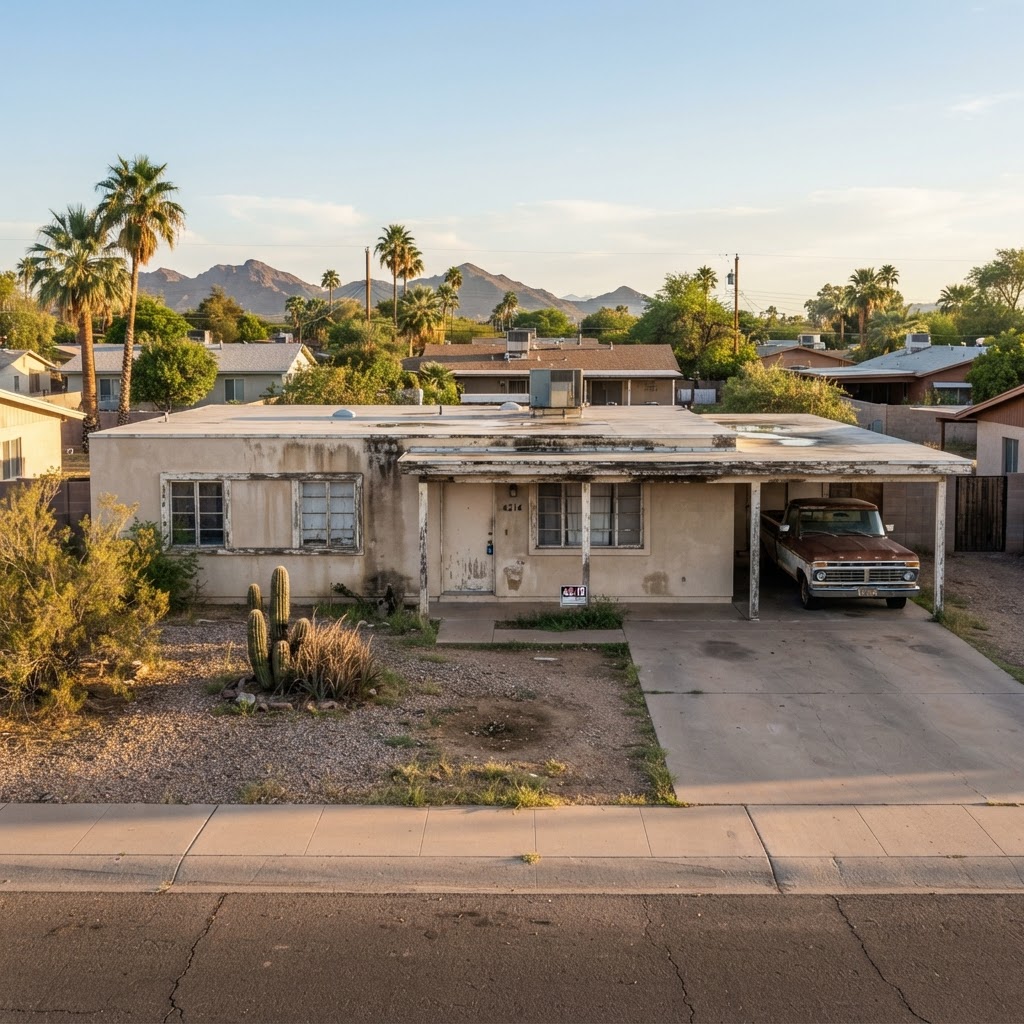
When homeowners think of property damage in the Valley of the Sun, extreme desert heat is usually the first thing that comes to mind. Yet, moisture problems are surprisingly common and destructive across Maricopa County. Whether you are dealing with a silent copper pipe rupture under a concrete foundation or sudden flash flooding from late-summer storms, learning how to sell water damaged house phoenix properties quickly is critical to preventing compound structural degradation and rampant fungal growth.
Water and mold issues pose a unique threat to Arizona real estate transactions. Between strict statutory disclosure rules and traditional mortgage lenders refusing to finance uninhabitable homes, traditional listings often stall. Here is an honest, local examination of why Phoenix homes suffer water intrusion, what Arizona disclosure law demands, and how an as-is cash sale can protect your bottom line.
The Unique Nature of Phoenix Water and Mold Damage
Desert architecture and local environmental conditions mean water intrusion here presents very differently than it does in humid or cold climates. In Phoenix, water damage typically stems from four distinct local sources:
- Slab Leaks in Post-War and Subdivisions: A substantial percentage of homes in neighborhoods like Maryvale, Arcadia Lite, and Central Phoenix are built on monolithic concrete slabs with pressurized copper water lines routed directly underneath. Over decades, the alkaline, mineral-rich desert soil reacts with copper pipes, creating pinhole leaks. These subterranean leaks often saturate the soil and foundation unnoticed until floors buckle or baseboards show black discoloration.
- Monsoon Flash Flooding: Between July and September, intense North American Monsoon storms can dump inches of rain in under an hour. In older areas with flat roofs or properties bordering urban washes managed by the Flood Control District of Maricopa County, inadequate drainage leads to rapid roof penetration, water backing up under sliding glass doors, or standing water entering ground-level rooms.
- Attic A/C Condensate Line Backups: Phoenix cooling systems run non-stop for months. Condensation drip lines placed in superheated attics frequently clog with dust and algae. When the drain pan overflows, water seeps directly through ceiling drywall into living rooms and hallways.
- Desert Microclimate Mold: Although outdoor ambient humidity in Phoenix is frequently below 15%, an interior pipe leak in a closed, air-conditioned house creates an ideal, humid greenhouse. Toxic molds such as Stachybotrys chartarum can colonize drywall and subflooring within 24 to 48 hours in our summer temperatures.
The Arizona Disclosure Dilemma: The SPDS and Mold
In Arizona, home sales typically utilize the standard Arizona Association of REALTORS® Residential Seller’s Property Disclosure Statement (SPDS). This legal questionnaire explicitly asks whether the property has ever experienced past or present water intrusion, plumbing leaks, sewer backups, roof leaks, or mold.
Arizona common law and statutory disclosure requirements leave no room for concealment. If you attempt to remediate water damage yourself or simply paint over mold stains without formal clearance testing, you open yourself up to severe post-closing liability. Even after completing professional remediation—which often costs between $3,000 and $15,000+ through certified restoration contractors—you are legally obligated to disclose that the damage occurred. Traditional retail buyers frequently panic at the mere mention of mold, even if an industrial hygienist has issued a clearance letter.
Furthermore, if water resulted in major structural degradation or electrical hazards, resolving the situation can be as complicated as navigating a property after an emergency disaster, much like the steps required when deciding how to sell a fire-damaged house in Phoenix without making repairs upfront.
Why Traditional Retail Buyers and Banks Walk Away
If you decide to list a water- or mold-damaged house on the open market, you face immediate structural hurdles created by institutional lending standards:
- Mortgage Ineligibility: Standard residential mortgages (FHA, VA, and conventional Fannie Mae/Freddie Mac loans) require the property to meet minimum habitability requirements. Appraisers will flag visible black mold, active plumbing leaks, collapsed drywall, or compromised subfloors. Mortgages are routinely denied until repairs are fully completed and reinspected.
- Insurability Issues: When a water damage claim has been filed on a house, insurance carriers record it in the Comprehensive Loss Underwriting Exchange (C.L.U.E.) report. Prospective buyers may find that insurance premiums are exorbitant or that major carriers refuse to issue a homeowner policy until certified remediation is completed.
- Escalating Out-of-Pocket Estimates: Remediation contractors in Maricopa County must adhere to strict guidelines. Drywall tear-outs, containment barriers, negative air scrubbers, sub-slab re-piping, and cosmetic rebuilds can easily exceed the equity a homeowner has built in the property.
Before signing a traditional listing agreement that may leave you vulnerable to endless buyer repair requests and price reductions, review our comprehensive breakdown of selling for cash vs listing on MLS to see the numbers side-by-side.
The Timeline Reality: Repairing vs. Selling As-Is
Addressing structural water intrusion or deep microbial growth is not an overnight task. A typical remediation project in Phoenix proceeds through multiple stages:
- Plumbing Leak Detection & Excavation: 2 to 7 days to isolate the leak and jackhammer through the slab or cut open walls.
- Drying & Remediation: 3 to 10 days of commercial dehumidifiers, microbial wash, and containment sealing.
- City Permits & Inspections: If structural framing, main waste lines, or service panels are modified, the City of Phoenix Planning and Development Department requires permits and site inspections, adding weeks to the timeline.
- Build-Back & Finishing: 2 to 6 weeks for hanging drywall, laying new flooring, texturing, and painting.
Total time: 4 to 8 weeks minimum, during which you must continue paying mortgage payments, property taxes, utilities, and potentially temporary housing. In contrast, an as-is sale to an established cash buyer eliminates every single phase of repair, enabling closing in as few as 7 to 14 days.
How to Sell Your Water-Damaged Phoenix House for Cash
Working with a direct cash buyer bypasses banks, appraisals, and repair mandates. Here is the straightforward path to closing on a damaged home:
- Transparent Walkthrough: The investor inspects the property in its current state. You do not need to clean the mold, tear out soggy carpets, or hire an industrial hygienist.
- Accurate Cost Assessment: A professional investor understands local labor rates and wholesale material costs, allowing them to calculate repair costs objectively rather than penalizing you with arbitrary retail estimates.
- No Contingencies or Financing Hurdles: Because cash buyers do not rely on institutional mortgages, uninsurable conditions or active leaks will not derail the transaction.
- Closing with a Local Title Company: The sale is handled through a reputable Arizona title agency, ensuring all title clouds, liens, and closing documents are legally satisfied.
Frequently Asked Questions
Do I have to disclose water damage if it is completely dried out?
Yes. Arizona seller disclosure obligations mandate that you disclose any known past or present water intrusions, leaks, and remediation efforts on the SPDS. Hiding prior leaks can lead to civil fraud claims from the buyer down the road.
Can I sell a Phoenix home with an active slab leak?
Yes, but traditional buyers using bank financing will almost certainly be rejected by their lenders. Direct cash buyers regularly purchase homes with active slab leaks or broken supply lines, taking over the complete burden of jackhammering the slab and re-routing the plumbing after closing.
Will a cash buyer force me to remediate mold before closing?
No. Professional as-is property buyers assume complete responsibility for microbial remediation, containment, disposal, and structural repairs post-closing.
Take the Stress Out of a Damaged Property
Dealing with soaked flooring, crumbling ceilings, and the potential health hazards of indoor mold is exhausting. If your Phoenix home has suffered from water intrusion and you do not have the time, savings, or desire to oversee contractors and insurance adjusters, you have options. At Better Property Buyers, we purchase properties throughout Phoenix and surrounding Maricopa County communities entirely as-is. Contact our local team today for an honest, straightforward assessment and a fair, no-obligation cash offer.
Selling a property in Phoenix Metro & Maricopa County, AZ?
Get a fair cash offer within 24 hours. No fees, no repairs, no obligation.
Get My Cash Offer