Phoenix Code Violations & Liens: How to Sell a House the City Flagged
Discover how to navigate City of Phoenix code citations, unpermitted work, and municipal liens so you can successfully sell your property as-is without sinking money into endless repairs.
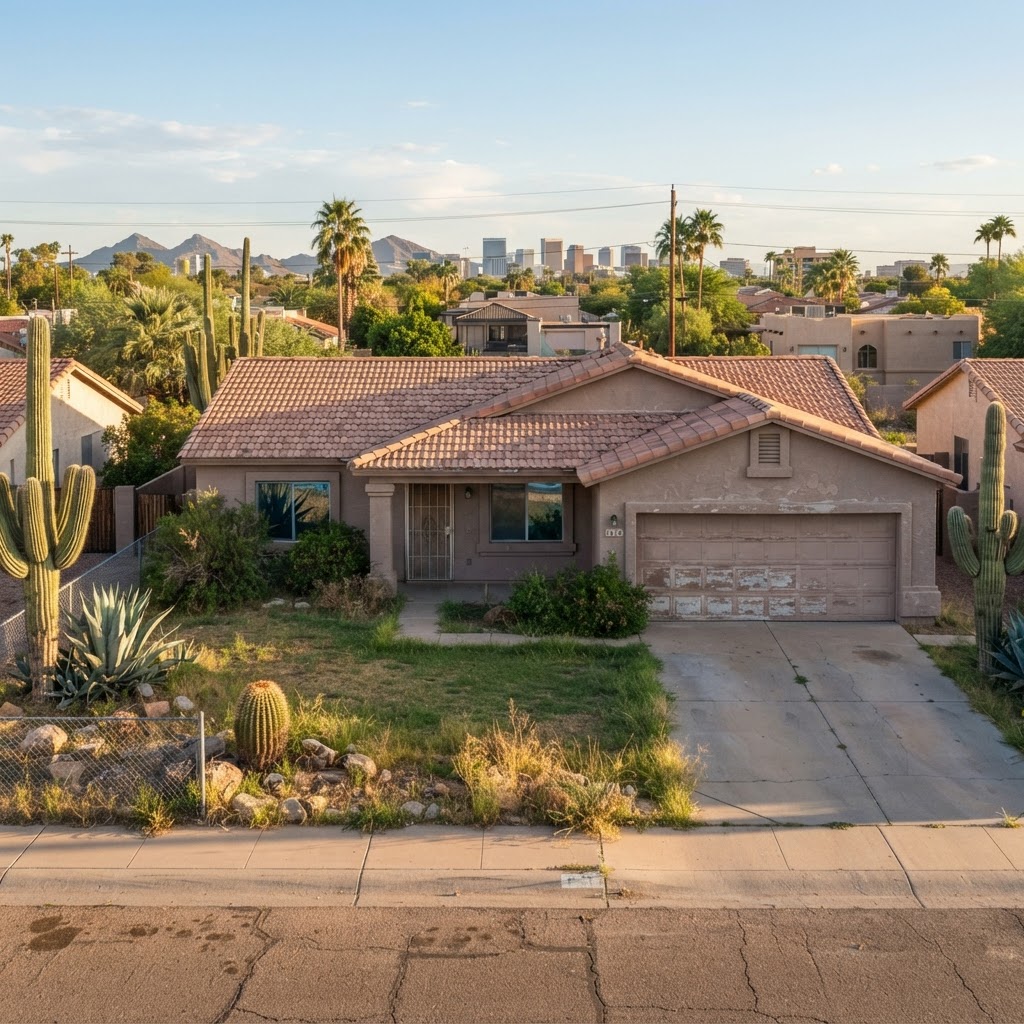
Receiving an official Notice of Violation (NOV) from the City of Phoenix can stop any property owner in their tracks. Whether an inspector visited your parcel after a neighbor called myPHX311, or an unresolved issue escalated into daily administrative fines and municipal clouds on your title, dealing with the city feels overwhelming. If you need to sell house with code violations phoenix property owners face unique local hurdles that traditional retail real estate channels simply cannot handle smoothly.
From historic red-brick ranches in Maryvale and Coronado with unpermitted patio enclosures to vintage blocks in Sunnyslope dealing with junk vehicle citations, code compliance flags are surprisingly common across Maricopa County. The good news is that an open citation or recorded municipal lien does not mean your property is unsellable. Here is everything you need to understand about the local enforcement machinery, what happens when title clouds emerge, and how to exit the property cleanly.
Understanding Phoenix Code Enforcement: Chapter 39 and Beyond
In Phoenix, code compliance is primarily enforced by the Neighborhood Services Department (NSD) through Chapter 39 of the Phoenix City Code, known as the Neighborhood Preservation Ordinance. Inspectors are tasked with preserving community standards, reducing blight, and preventing structural hazards across the Valley.
Unlike routine deferred maintenance, an active code violation is an official administrative or civil action against your real estate parcel. In Phoenix and unincorporated Maricopa County, the most common enforcement triggers include:
- Unpermitted Additions & Enclosures: Carports converted into living spaces, non-permitted guest houses (casitas), unpermitted electrical drops for HVAC packages, or enclosed rear patios built without city plan review and permits.
- Blight & Exterior Storage: Outdoor accumulation of junk, scrap lumber, discarded appliances, or untagged/inoperable vehicles under Section 39-7.
- Vegetation & Fire Hazards: Overgrown dry weeds, brush piles, or hazardous dead palm fronds that violate city brush and weed height restrictions—especially hazardous during dry Sonoran summer months.
- Vacant & Unsecured Structures: Broken glazing, unsecured doors, or open swimming pools that lack proper self-closing barriers and safety fencing.
- Substandard Living Conditions: Severely compromised plumbing, structural roof damage, or persistent moisture issues. If your property has fallen into disrepair, you may also want to review our guide on Selling a Water-Damaged or Mold-Damaged House in Phoenix for Cash.
The Escalation Cycle: Notices of Violation to Recorded Liens
Many owners wonder how a routine inspection turns into a financial barrier at the title desk. The City of Phoenix follows a defined escalation pathway:
1. The Notice of Violation (NOV)
When an inspector verifies a violation, they issue a Notice of Violation giving the property owner a standard compliance window—often 15 to 30 days depending on the severity of the infraction. If you remediate the issue or pull retroactive permits via the City of Phoenix Planning & Development Department (located at 200 W. Washington Street, 2nd Floor), the case is closed.
2. Civil Citations and Hearing Officer Judgments
If deadlines are ignored, the Neighborhood Services Department refers the case to the Phoenix Municipal Court or an administrative hearing officer. Fines can begin accumulating on a per-day, per-violation basis. Under Phoenix policy, daily compounding fines can rapidly mount into thousands of dollars.
3. City Abatement and Involuntary Special Assessment Liens
If an owner fails to remedy health or safety threats (such as green stagnant pools, heavy trash buildup, or securing an open structure), the City can deploy municipal contractors to clean, board up, or demolish the problem area. The cost of this work, plus substantial city administrative surcharges, is billed directly to the owner. If left unpaid, the City files an Assessment Lien directly with the Maricopa County Recorder’s Office, attaching directly to the real property.
4. Recorded Notice of Non-Compliance
For unpermitted construction, the Planning & Development Department records an official Notice of Violation against the deed. Even if it is not technically a monetary assessment, it puts all future buyers and title companies on public notice that the improvements fail city building codes.
Why Traditional MLS Sales Fail With Active Code Violations
Attempting to list a house flagged by the city on the Arizona Regional Multiple Listing Service (ARMLS) with a real estate agent creates several points of friction that often cause transactions to collapse weeks into escrow:
- Lender Underwriting Guidelines: Conventional mortgage underwriters (Fannie Mae, Freddie Mac) as well as FHA and VA programs mandate that a home meet strict health, safety, and habitability criteria. Properties with open structural violations, broken plumbing, or hazardous electrical systems cannot qualify for traditional bank financing.
- Title Insurance Exceptions: A title company (such as First American or Pioneer Title in Maricopa County) will conduct a municipal lien search. Recorded abatement assessments or unpaid civil judgments must be satisfied at or before closing. Traditional retail buyers rarely have the capital or desire to negotiate payoffs with municipal departments.
- Appraisal Conditioning: Even if a buyer makes an offer, licensed appraisers will condition the loan on repairs being completed and re-inspected by the city before loan funding, leaving the cash-strapped seller right back where they started.
- Strict Arizona Disclosure Laws: Under Arizona law, sellers must disclose all known material defects and municipal enforcement actions using the Residential Seller’s Property Disclosure Statement (SPDS). Hiding an active citation is illegal and invites post-closing litigation.
For a detailed breakdown of the friction points between traditional financing and alternative exits, read our resource on Selling for Cash vs Listing on MLS: A Phoenix Property Owner’s Guide.
The Two Paths to Selling: Remediate vs. Sell As-Is
When your property has open citations or recorded notices, you generally have two realistic options:
Path A: Remediating the Violations Yourself
If the violation is limited to yard cleanup or brush removal, handling it yourself may make sense. However, if the violation involves unpermitted structural work, electrical upgrades, or fire/water damage, remediation entails:
- Hiring an architect or draftsman to produce as-built drawings.
- Submitting plans online via the city's SHAPE PHX portal or in person at Phoenix City Hall.
- Hiring licensed ROC (Registrar of Contractors) residential contractors to expose drywall, bring wiring or plumbing to current IRC standards, and schedule city inspections.
- Paying back administrative fines, permit fees, and reinspection fees.
This route routinely requires tens of thousands of dollars out of pocket and months of coordination. If your house suffers from substantial structural wear or extensive deferred maintenance, check out our guide on How to Sell a House That Needs Repairs in Phoenix, Arizona before sinking funds into permitting battles.
Path B: Selling Directly As-Is to a Cash Buyer
You do not have to fix code violations to sell your property. In Arizona, owners can legally sell a home with active citations, pending hearings, or recorded assessments, provided those encumbrances are properly cleared or accounted for during the escrow closing process.
When you work with a professional direct cash buyer like Better Property Buyers, the process shifts:
- No Contractor Hassles: The buyer purchases the home completely as-is, assuming full responsibility for permitting, remediation, and city reinspections after close.
- Settling Municipal Liens at Title: Any city abatement assessments or recorded fines are deducted directly from the gross sale proceeds at the title company desk. The title officer coordinates payoff letters directly with the City of Phoenix or Maricopa County, ensuring clean transfer without out-of-pocket expenses for you.
- No Financing Contingencies: Cash sales bypass conventional appraisals and strict mortgage lender habitability guidelines entirely.
Frequently Asked Questions About Phoenix Code Violations
Can I get arrested for ignoring a code violation in Phoenix?
While most code enforcement begins as a civil administrative process, repeatedly failing to appear at mandated municipal court hearings or ignoring judicial orders can lead to criminal misdemeanor charges under Phoenix City Code. It is crucial never to ignore court summonses or official hearing notices.
How do I find out if my Phoenix property has active code violations or liens?
You can verify your status online using the Phoenix Neighborhood Services Department tracking system (nsdonline.phoenix.gov) or by calling the Code Compliance Division at (602) 534-4444. For recorded liens, search your document recordings by parcel number on the Maricopa County Recorder’s public records portal.
What happens if the code fines exceed my equity in the house?
If accumulated per-day fines and liens match or exceed property value, owners face significant financial risk. In these scenarios, working with experienced buyers who understand how to petition the city hearing officer or Phoenix city attorney for lien reductions or settlements can make a transaction possible.
A Simple Path Forward
Municipal code citations and mounting city penalties create needless stress, especially when you do not have the capital or time to navigate municipal bureaucracy. You do not have to spend months battling plan reviews or paying high-cost contractors just to dispose of a troublesome parcel.
If you need to sell your house with code violations in Phoenix, request a no-obligation, all-cash offer from Better Property Buyers today. We purchase homes across Maricopa County in as-is condition, handle all open city issues, and close on your timeline through reputable local title companies.
Selling a property in Phoenix Metro & Maricopa County, AZ?
Get a fair cash offer within 24 hours. No fees, no repairs, no obligation.
Get My Cash Offer